What are the different types of racquetball racquets?
Racquetball is a fun and fast-paced sport that requires quick reflexes and agility. Whether you're an experienced player or a beginner, choosing the right racquetball racquet can make all the difference in your game. There are several types of racquetball racquets available on the market, each with their own unique features and benefits. In this article, we'll take a closer look at the different types of racquetball racquets and what sets them apart.
Power Racquets
Power racquets are designed to provide players with maximum power and speed. These racquets are typically heavier than other types of racquets, and they often have a larger head size. The larger head size provides a larger sweet spot for hitting the ball, which can be beneficial for players who want to hit the ball harder. Additionally, power racquets often have a stiffer frame, which can help transfer more power to the ball.
Control Racquets
Control racquets are designed to provide players with maximum control and precision. These racquets are typically lighter than power racquets, and they often have a smaller head size. The smaller head size provides a smaller sweet spot for hitting the ball, which can be beneficial for players who want more control over their shots. Additionally, control racquets often have a more flexible frame, which can help absorb shock and provide more feel for the ball.
Hybrid Racquets
Hybrid racquets are designed to provide players with a balance of power and control. These racquets typically have a medium weight and head size, and they may have a slightly stiffer frame than a control racquet. Hybrid racquets are a good choice for players who want a little bit of everything – power, control, and feel.
Longbody Racquets
Longbody racquets are designed to provide players with more reach and leverage on their shots. These racquets are typically longer than other types of racquets, which can be beneficial for players who want to hit the ball harder and with more spin. Additionally, longbody racquets often have a larger head size, which can provide a larger sweet spot for hitting the ball.
Teardrop Racquets
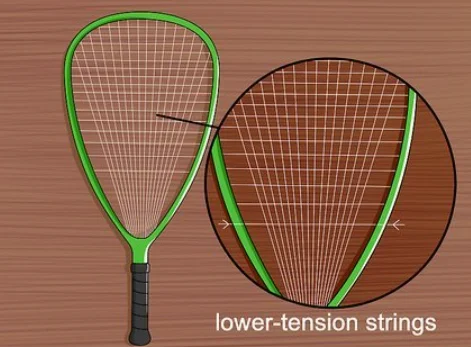
Teardrop racquets are designed to provide players with a balance of power and control, with a focus on power. These racquets have a unique teardrop-shaped head that provides a larger sweet spot than a traditional oval-shaped head. This larger sweet spot can help players hit the ball harder and with more spin, while still maintaining some control over their shots.
Oversize Racquets
Oversize racquets are designed to provide players with a larger sweet spot for hitting the ball. These racquets typically have a larger head size than other types of racquets, which can help players hit the ball with more power and spin. Additionally, oversize racquets often have a more forgiving frame, which can help absorb shock and reduce the risk of injury.
Lightweight Racquets
Lightweight racquets are designed to be easy to handle and maneuver. These racquets are typically lighter than other types of racquets, which can be beneficial for players who want to move quickly on the court. Additionally, lightweight racquets often have a more flexible frame, which can help absorb shock and provide more feel for the ball.
Widebody Racquets
Widebody racquets are designed to provide players with a larger sweet spot for hitting the ball. These racquets have a wider frame than other types of racquets, which can provide a larger sweet spot for hitting the ball. Additionally, widebody racquets often have a more forgiving frame, which can help absorb shock and reduce the risk of injury.
In conclusion, there are many types of racquetball racquets available on the market, each with their own unique features and benefits. When choosing a racquet, it's important to consider your playing style, skill level, and personal preferences. Whether you're looking for power, control, or a balance of both, there's a racquetball racquet out there that's perfect for you.


评论
发表评论