How do you choose the right racquetball racquet for your skill level?
Choosing the right racquetball racquet for your skill level is a critical aspect of improving your performance on the court. The right racquet can help you maximize your potential and play your best game, while the wrong racquet can hinder your performance and potentially lead to injury. Here are some factors to consider when choosing the right racquetball racquet for your skill level:
Experience level: Your experience level will play a significant role in determining the kind of racquet you need. Beginners should start with a lighter racquet with a larger head size to improve their control and develop their technique. More experienced players may want a heavier racquet with a smaller head size to increase their power and accuracy.
Playing style: Your playing style will also impact the kind of racquet you choose. If you play a lot of defensive shots, you may want a racquet with a larger head size and more power. If you prefer to play aggressively and hit hard shots, you may want a racquet with a smaller head size and more control.
Grip size: As mentioned earlier, grip size is crucial to your comfort and control over the racquet. Make sure to measure your hand size or try out different grip sizes to find the one that fits comfortably and securely in your hand.
Strings: The strings on your racquet can also impact your performance. String tension and pattern can affect how much power and control you have over the ball. If you're a beginner, you may want a racquet with a lower string tension to make it easier to hit the ball. More experienced players may prefer a higher string tension for more control and accuracy.
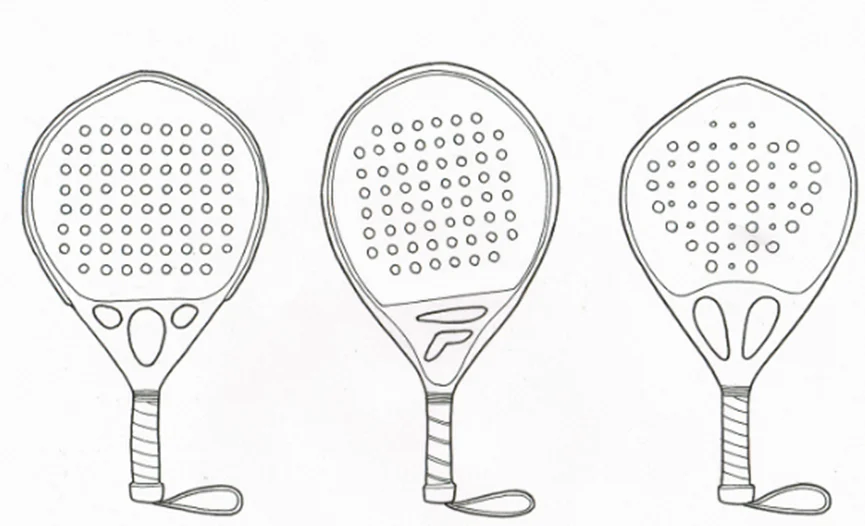
Budget: The cost of racquetball racquets can vary greatly, so it's important to determine your budget before making a purchase. You can find good-quality racquets at reasonable prices, but keep in mind that higher-end racquets can offer better performance and durability.
In conclusion, choosing the right racquetball racquet for your skill level involves considering a variety of factors, including your experience level, playing style, grip size, strings, and budget. Take the time to try out different racquets and get advice from other players or a professional to find the one that suits your needs best. With the right racquet, you can improve your game and enjoy playing racquetball to the fullest.
What is the standard size of a racquetball racquet?
The standard size of a racquetball racquet is regulated by the International Racquetball Federation (IRF), which sets guidelines for racquet dimensions, weight, and other specifications. According to the IRF, a racquetball racquet must be no more than 22 inches in length and no more than 12.5 inches in width. The racquet must also weigh between 8 and 12 ounces, including the strings, grip, and any other attachments.
The head size of a racquetball racquet can vary depending on the player's preference and playing style. However, the IRF sets a minimum size of 107 square inches for the racquet head. The maximum length of the racquet head cannot exceed 15.5 inches.
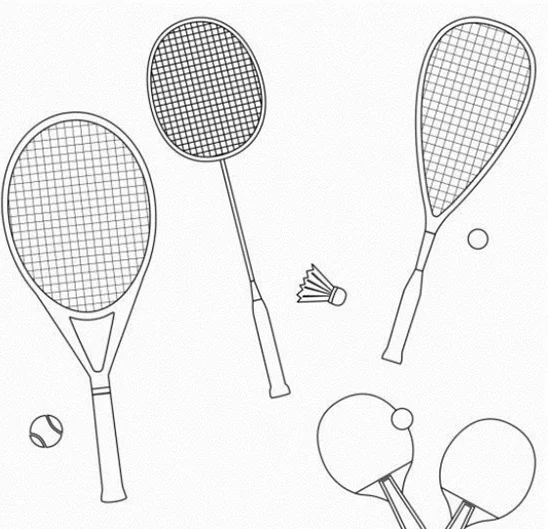
The grip size of a racquetball racquet is also important, as it affects the player's comfort and control over the racquet. The size of the grip is measured by the circumference of the handle, with the most common sizes ranging from 3 5/8 inches to 3 7/8 inches. Smaller grip sizes are suitable for players with smaller hands or those who prefer more control over the racquet, while larger grip sizes provide more comfort and shock absorption.
Finally, the string pattern of a racquetball racquet can also impact the player's performance. The most common string patterns are 16x18 and 14x18, with the former providing more power and the latter providing more control. However, some players may prefer different string patterns depending on their playing style and preferences.
In conclusion, the standard size of a racquetball racquet is regulated by the International Racquetball Federation and includes guidelines for length, width, weight, head size, grip size, and string pattern. By adhering to these standards, players can ensure that their racquet meets the requirements for tournament play and that they have the best possible equipment to improve their performance on the court.


评论
发表评论